
Navigating Japan’s Transit System: Trains, Shinkansen, IC Cards & Transport Types 🚆

Stepping into a Japanese train station for the first time is an exciting moment. With punctual bullet trains, spotless subways, and simple contactless payment cards, getting around Japan is smooth and reliable once you know the basics.
Whether you are hopping between Tokyo neighbourhoods or taking a day trip to Kyoto, learning a few everyday transport terms will make your journey feel effortless.
Here is a practical, beginner-friendly guide to mastering local transit, recognising common transport types, and building useful vocabulary for your travels!

1. The Essential IC Card: Suica, Pasmo & Icoca
Rechargeable IC Cards (ICカード) are the easiest way to pay for everyday travel without buying paper tickets every time.
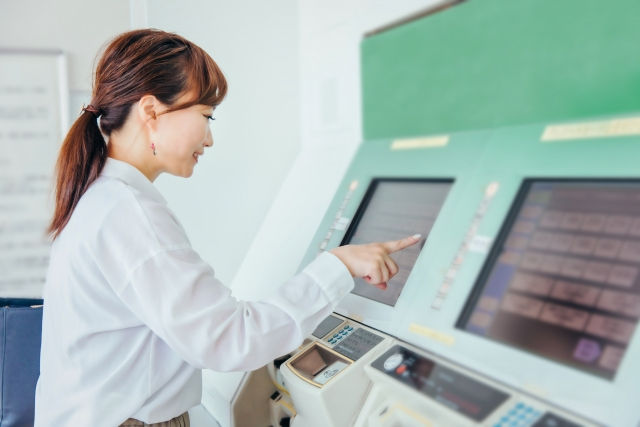
What They Are & Where to Buy: Contactless payment cards for trains, subways, and city buses. Pick up physical cards at ticket machines, station offices (Midori-no-Madoguchi), or service counters at Tokyo (Narita/Haneda) and Osaka (Kansai) airports.
Usage & Regional Coverage: Simply tap through ticket gates across almost all major cities (Suica/Pasmo around Tokyo, Icoca around Kansai). You can also tap to pay at vending machines, convenience stores (conbini), and station lockers.
Digital Options: Add digital Suica or Pasmo cards directly to Apple Wallet on your smartphone for quick tapping without needing a physical card.
2. High-Speed Travel: The World-Famous Shinkansen
Travelling between major cities like Tokyo, Kyoto, Osaka, and Hiroshima is fast and comfortable aboard the Shinkansen (新幹線 - bullet train).
Reserved vs. Non-Reserved Seats: Carriages are divided into Shitei-seki (指定席 - reserved seats) and Jiyuu-seki (自由席 - non-reserved seats). Booking reserved seats ensures your group sits together during peak hours.
Oversized Luggage Rules: If the total dimensions (length + width + height) of your bag exceed 160 cm, reserve a specific "Seat with an Oversized Baggage Area" when booking your ticket.
Bento on the Bullet Train: While eating on local subways is avoided, enjoying an Ekiben (駅弁 - station lunchbox) on the Shinkansen is a popular travel tradition!

3. Key Public Transport Types in Japan
Recognising the names of different transport types makes reading station signs and planning routes much easier. Here is a quick reference table:
Transport Type | Japanese | Romaji | Overview |
Train | 電車 | Densha | Surface trains covering city and suburban networks |
Subway | 地下鉄 | Chikatetsu | Underground metro systems in major metropolitan areas |
Bullet Train | 新幹線 | Shinkansen | High-speed long-distance rail connecting major regions |
Bus | バス | Basu | Local city buses and highway express coaches |
Taxi | タクシー | Takushii | Convenient door-to-door travel for groups or late nights |
Ferry | フェリー | Ferii | Passenger ferries connecting coastal towns and islands |

4. Taking City Buses: Simple Step-by-Step
Taking local city buses in places like Kyoto is simple once you know the flow:
Board from the Rear: Enter through the rear door. If paying cash, take a numbered paper slip (seiriken - 整理券) from the dispenser.
Tap Your IC Card: Tap your card on the reader as you step on (or hold onto your seiriken paper slip).
Press Stop & Exit Front: Press the stop button (tomarimasu) when your stop is called, then tap your IC card or pay exact cash into the fare box as you exit through the front door.
🚌 Regional Buses: Bus boarding rules and payment systems can vary slightly depending on the region and bus company. Before getting on, take a quick look at the signage near the bus doors and observe how local commuters ahead of you board and pay!
💡 Japanese Transport Vocabulary Box
Here are essential Japanese words to help you navigate station signs and ask for directions:
駅 (えき - eki): Train station
切符 (きっぷ - kippu): Train ticket
ICカード (IC kaado): Rechargeable IC card (Suica/Pasmo/Icoca)
乗り換え (のりかえ - norikae): Transfer / Changing trains
指定席 (していせき - shitei-seki): Reserved seat
自由席 (じゆうせき - jiyuu-seki): Non-reserved seat
整理券 (せいりけん - seiriken): Numbered bus fare slip
〜行きの電車はどれですか? (~ yuki no densha wa dore desu ka?): "Which train is bound for ~?"
🚀 Travel Japan with Complete Confidence!
Navigating local transportation smoothly makes your holiday in Japan feel effortless and fun. When you know how to tap through gates, recognise transport options, and ask simple direction questions, you can explore every city with absolute ease.
At Nihongo Journey, our 1-on-1 online lessons teach practical conversation skills for real-world travel—from buying bullet train tickets and asking for directions to chatting comfortably with native speakers.


Comments