
5 Things to Avoid Doing in Japan: Unspoken Rules Every Traveller Should Know 🇯🇵✨

Japan is famous for its warm hospitality (omotenashi), clean streets, and quiet public transport. Much of this smooth daily life comes down to one core cultural concept: meiwaku (迷惑)—avoiding causing inconvenience to those around you.
While Japanese locals are very forgiving towards foreign visitors, knowing a few basic manners will help you feel much more comfortable and confident during your trip.
Here are 5 simple things to avoid doing in public, along with quick tips on what to do instead!
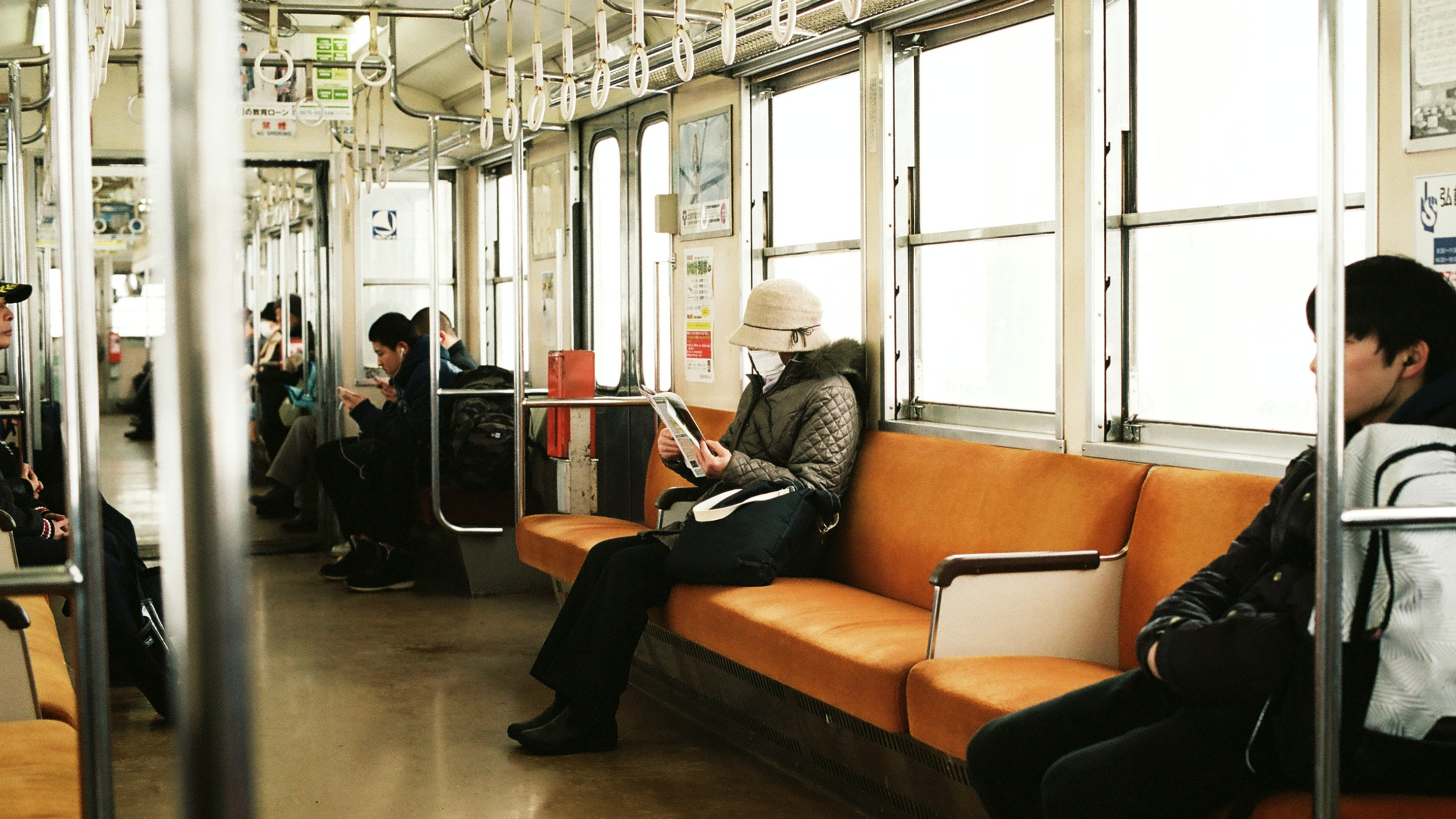
1. Don't Take Phone Calls on Trains or Buses 🚃
Japanese public transport is kept quiet so everyone can relax or rest during their commute.
Set "Manner Mode" (マナーモード): Always switch your phone ringtone to silent before boarding.
Avoid voice calls: Decline incoming calls or send a quick text saying you are on the train.
Keep your voice down: Quietly chatting with friends is fine, but use headphones for music, videos, or games.
2. Don't Eat or Drink While Walking (Tabearuki) 🍡
Eating while walking (tabearuki) is generally avoided in public streets to prevent accidental spills and keep public areas clean.
Eat where you buy: Enjoy your snack right outside the convenience store (conbini) or beside the vending machine where you bought it.
The exception: Food stalls at festival markets (matsuri) and famous food alleys (like Asakusa in Tokyo) welcome street eating—just stay close to the stall!
3. Don't Pass Cash Hand-to-Hand & Never Tip 💴
Handling money at shop registers follows a simple, hygienic routine in Japan.
Use the small tray (Karuton): Place your cash, credit card, or transit card onto the small plastic tray on the counter rather than handing it directly to the cashier.
Never tip: Great service is always included. If you leave extra cash on a table or in a taxi, staff will usually run after you to return the "forgotten" money!

4. Don't Wear Outdoor Shoes Past the Entryway (Genkan) 👟
Taking off your outdoor shoes keeps indoor spaces clean, comfortable, and hygienic.
Watch for the raised step (Genkan): Whenever you see a step up at a home, traditional restaurant, temple, or onsen, step out of your outdoor shoes before stepping up.
Slippers vs. Tatami: Put on the provided slippers on the raised floor. Important exception: Always slip off your slippers before stepping onto straw mats (tatami)—walk on tatami in socks or bare feet only.
5. Don't Expect Public Trash Cans Everywhere 🗑️
Even though Japanese cities are spotless, finding a street trash bin can be surprisingly tricky.
Carry a small plastic bag: Keep a small bag in your daypack to hold your rubbish until you return to your hotel.
Where to dispose of trash: You will find recycling bins for bottles and cans right next to drink vending machines, and trash bins inside convenience stores for items you buy there.

💡 Manners & Etiquette Vocabulary Box
Here are a few handy words related to Japanese public manners:
迷惑 (めいわく - meiwaku): Nuisance / Inconvenience
マナーモード (manā mōdo): Silent mode on phones
食べ歩き (たべあるき - tabearuki): Eating while walking
玄関 (げんかん - genkan): Traditional entryway
すみません (sumimasen): "Excuse me" or "Sorry" (the ultimate polite phrase!)
🚀 Travel Japan with Confidence!
Understanding the culture behind Japanese etiquette turns confusing "rules" into a warm, natural way to experience daily life.
At Nihongo Journey, our 1-on-1 online lessons teach practical travel phrases, real-world customs, and natural conversation so you can explore Japan with total peace of mind.

Enjoy your trip, and have an unforgettable time exploring Japan! 🌸


Comments