
How to Praise Japanese People (Without the Awkwardness!) 💖
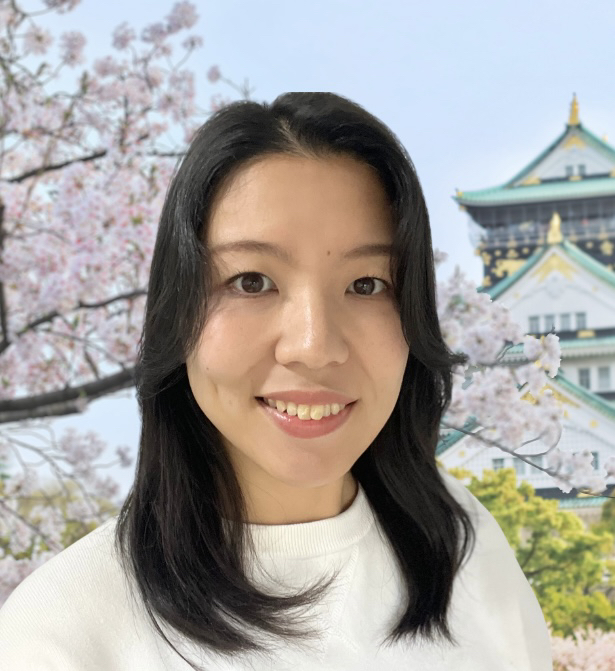
One of my absolute favourite things about living in Australia is how easily compliments flow—like a cheerful "Love your jacket!" from a barista. But as a Japanese person, it made me realise just how differently we handle praise back home.
If you try to translate these direct compliments into Japanese, your friend might blush, wave their hands, and say, "No, no, not at all!" (いいえ、全然です!- Iie, zenzen desu!). Because modesty (謙遜 - Kenson) is such a huge part of our culture, praise is usually playfully brushed off rather than accepted with a simple "thank you."

To make your Japanese friends or colleagues genuinely smile without any awkwardness, you don't need complicated grammar. Here are four simple words I always recommend to my students, along with how to use them politely or casually!
4 Simple Words with a Big Impact ✨
You don't need to overcomplicate your sentences. These four adjectives are highly appreciated in Japan. Here is how to use them in both Polite (for teachers, older people, or colleagues) and Casual (for friends or peers) situations:
1. すごい (Sugoi) — Amazing! / Wow!
This is your ultimate go-to word. You can use it for almost anything—great food, a nice drawing, or when someone tells you they speak three languages.
Polite: 「すごいですね!」 (Sugoi desu ne! — That’s amazing!)
Casual: 「すごい!」 / 「すごいね!」 (Sugoi! / Sugoi ne! — Wow, amazing!)
2. さすが (Sasuga) — As expected of you!
This roughly translates to "I knew you could do it!" It’s a fantastic way to praise someone because it shows you recognise their ongoing effort or talent.
Polite: 「さすがですね!」 (Sasuga desu ne! — As expected of you!)
Casual: 「さすが!」 / 「さすがだね!」 (Sasuga! / Sasuga dane! — That's so you!)
3. 素敵 (Suteki) — Lovely / Wonderful / Nice
Perfect for complimenting someone's outfit, new haircut, or even their lifestyle. It has a really warm, elegant feel to it.
Polite: 「素敵ですね!」 (Suteki desu ne! — That's lovely!)
Casual: 「素敵!」 / 「素敵だね!」 (Suteki! / Suteki dane! — How lovely!)
4. すばらしい (Subarashii) — Excellent / Outstanding
Use this when you are genuinely blown away by someone's hard work or skill (like a beautiful piano performance or a successful work project).
Polite: 「すばらしいですね!」 (Subarashii desu ne! — That is wonderful!)
Casual: 「すばらしい!」 (Subarashii! — Excellent!)
💡 Cultural Trivia: Physical Compliments That Might Surprise You
In Australia, commenting directly on someone’s specific facial features or body proportions can sometimes feel a bit too personal. But in Japan, there are a few very common physical compliments that we use to show genuine admiration:
「顔が小さいですね!」 (Kao ga chiisai desu ne! — Your face is so small!)
What it means: This might sound like a weird thing to point out! But in Japan, a "small face" is a highly desired trait associated with models and celebrities. It’s a major compliment.
「鼻が高いですね!」 (Hana ga takai desu ne! — Your nose is high/tall!)
What it means: This doesn't mean you have a big nose. It means you have a beautiful, sharp, well-defined nose bridge.
「脚が長いですね!」 (Ashi ga nagai desu ne! — Your legs are so long!)
What it means: Exactly what it sounds like! It’s used to admire someone's tall, model-like proportions.
(Note: Keep these polite with 〜ですね (desu ne) unless you are speaking to a very close friend!)
How to Respond When Someone Compliments YOU 🤝
What should you do when a Japanese person compliments your Japanese or your outfit?
To sound super natural, try humbly deflecting the praise with a smile using one of these two phrases. It shows you really understand the local culture!
Option 1: For skills, language ability, or work 🧑💻
"No, I still have a long way to go!"
Polite: 「いいえ、まだまだです。」 (Iie, mada mada desu.)
Casual: 「ううん、まだまだだよ!」 (Uun, mada mada dayo!)
Option 2: A versatile phrase for outfits, looks, or anything else
"No, that’s not the case at all!"
Polite: 「いいえ、そんなことないです。」 (Iie, sonna koto nai desu.)
Casual: 「ううん、そんなことないよ!」 (Uun, sonna koto nai yo!)
Let's Practise Natural Conversations Together! 👩🏫
Learning a language is about so much more than just memorising vocabulary from an app or dictionary. It’s about understanding the culture and connecting with people on a deeper level.
In my lessons, I don't just teach textbook phrases. I want to help you navigate real-world situations and social etiquette with confidence, so you can build genuine friendships in Japan.



Comments