
Essential Japanese Business Etiquette: A Beginner’s Guide for Business Trips & Partnerships 💼🌸
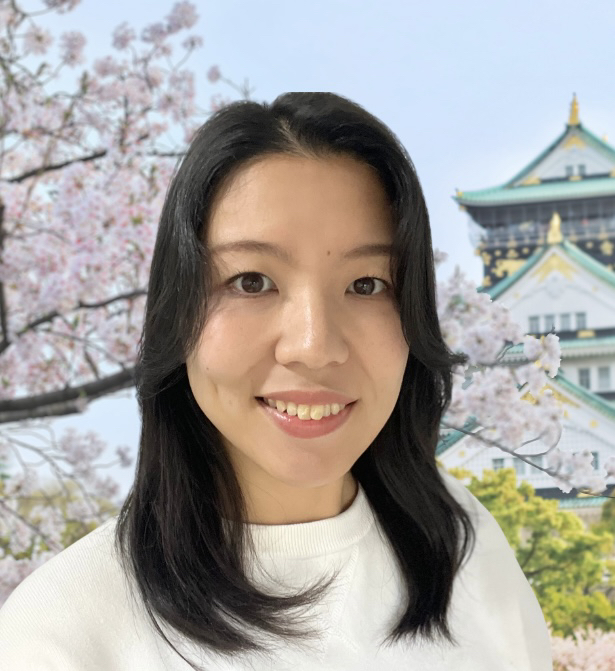
Heading to Tokyo for an upcoming business trip, or preparing to work with a Japanese corporate team for the first time?
Japanese business culture has a well-deserved reputation for high standards of professionalism, respect, and care. While your Japanese colleagues won't expect international visitors to know every nuanced rule, making an effort with basic etiquette (business manners) makes a fantastic first impression and helps build genuine trust from day one.
Here is a practical, beginner-friendly guide to help you navigate your first Japanese business meetings smoothly and comfortably!

1. The Art of Business Card Exchange (Meishi Koukan - 名刺交換)
In Japan, a business card (meishi) is treated as a direct extension of the person who gives it to you. Treating their card with care shows immediate respect for them and their company.
Present with both hands: Hold the top corners of your card with both hands, text facing the recipient, and offer a short bow as you hand it over.
Receive with both hands: Accept their card using both hands, saying "Arigatou gozaimasu" or "Choudai itashimasu."
Take a moment to read it: Look over their name and job title before doing anything else. Putting it away immediately can come across as dismissive.
Keep it on the table: During the meeting, place received business cards neatly on top of your cardholder or on the table in front of you (arranged to match where everyone is sitting). Never slide a card straight into your back pocket or write notes on it!

2. Punctuality: "On Time" Means 5 to 10 Minutes Early
Punctuality is essential for building professional trust in Japan.
Arrive early: Aim to reach the building or meeting room 5 to 10 minutes before your scheduled start time.
If you are delayed: If a train delay or unexpected traffic comes up, message or call your host right away with an updated arrival time. Giving advance notice shows accountability and consideration for their schedule.
3. Bowing & Seating Etiquette (Kamiza vs. Shimoza)
Room arrangements and greetings follow clear hierarchical traditions in Japanese business settings.
Greeting Bows: Handshakes are common in international meetings, but a gentle bow (around 15 to 30 degrees) is a great sign of respect. Try to avoid shaking hands while bowing deeply at the exact same time—it can feel a little awkward!
Seating hierarchy: The seat farthest from the entrance is the Kamiza (上座 - top seat), reserved for guests or the most senior person. The seat closest to the door is the Shimoza (下座 - lower seat), usually taken by hosts or junior team members. Wait for your host to invite you to sit down before taking a seat.

4. After-Hours Bonding & Drinking Etiquette (Nomikai - 飲み会)
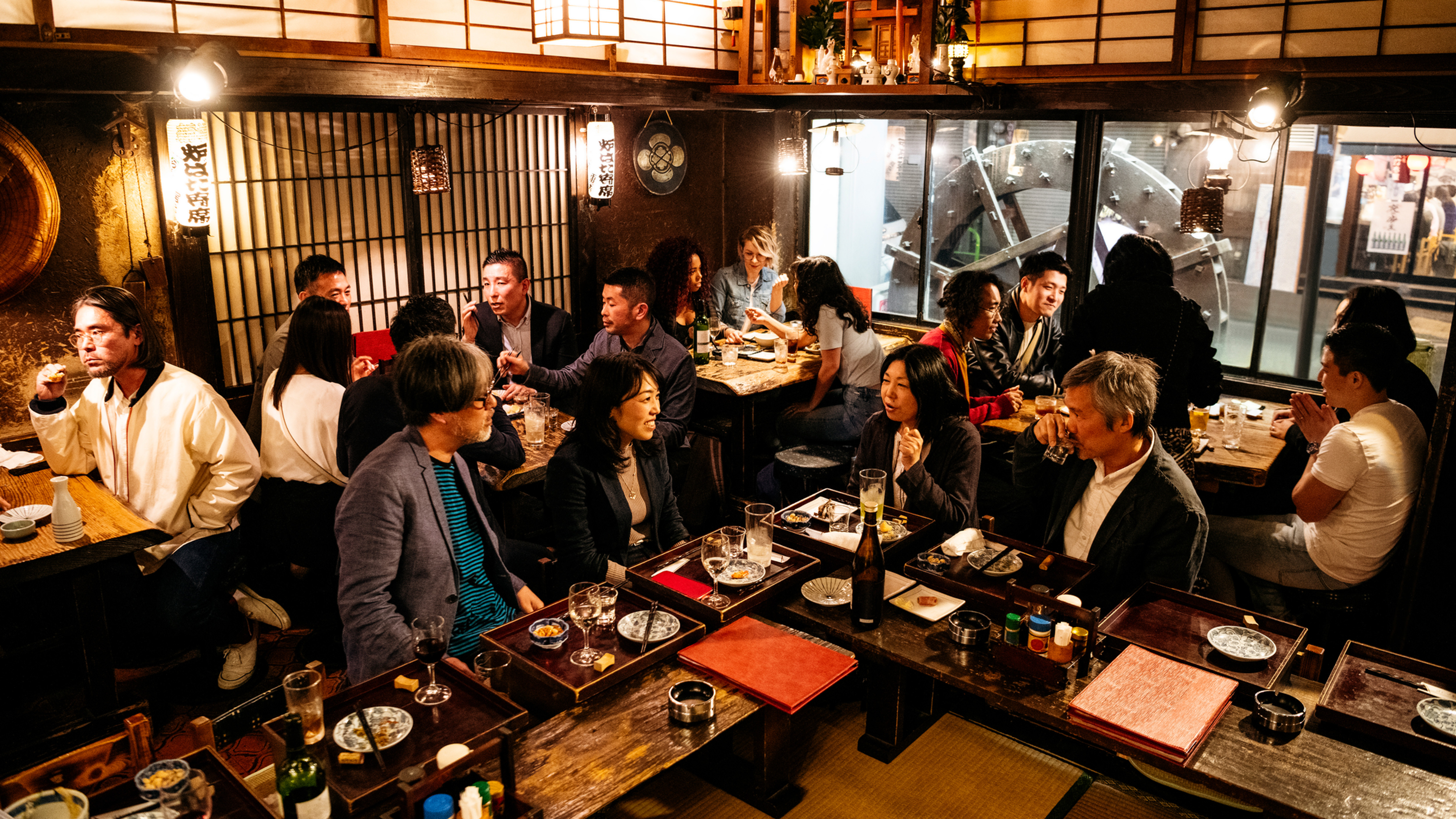
While formal business takes place in meeting rooms, teams often build real connections and relax together over casual after-work drinks (nomikai).
Pour drinks for others: Keep an eye on your host's or colleagues' glasses. When a glass is running low, offer a refill rather than pouring your own drink.
Toast etiquette (Kanpai): When clinking glasses for a toast (乾杯 - kanpai), lower the rim of your glass slightly below your senior colleague's or host's glass. This is a subtle way to show humility and respect.
Non-drinkers are very welcome: If you don't drink alcohol, no problem at all! Joining in with soft drinks or non-alcoholic beer is completely normal—the main goal is enjoying the conversation and sharing a fun evening together.
💡 Essential Business Japanese Vocabulary Box
Here are a few handy phrases that will show your host team you've come prepared:
よろしくお願いします (yoroshiku onegaishimasu): "I look forward to working with you" (The most important business phrase in Japan!)
お世話になっております (osewa ni natte orimasu): "Thank you for your ongoing support" (Standard opening for business emails and calls)
飲み会 (のみかい - nomikai): After-work drinking gathering
乾杯 (かんぱい - kanpai): Cheers! / Toast!
名刺 (めいし - meishi): Business card
失礼します (shitsurei shimasu): "Excuse me" (Used when entering/leaving a meeting room or ending a phone call)
🚀 Step into Your Next Meeting with Confidence!
Building great business relationships in Japan comes down to simple thoughtfulness, preparation, and mutual respect. Showing an interest in these customs will help you stand out as a considerate, reliable partner.
At Nihongo Journey, our 1-on-1 online lessons offer practical guidance tailored for professionals—from mastering corporate greetings and email etiquette to comfortable everyday conversation for your trip.

Wishing you smooth meetings and great success on your upcoming business journey in Japan! 🌸


Comments