
The Best Time to Go to Japan from Australia: A Season-by-Season Guide
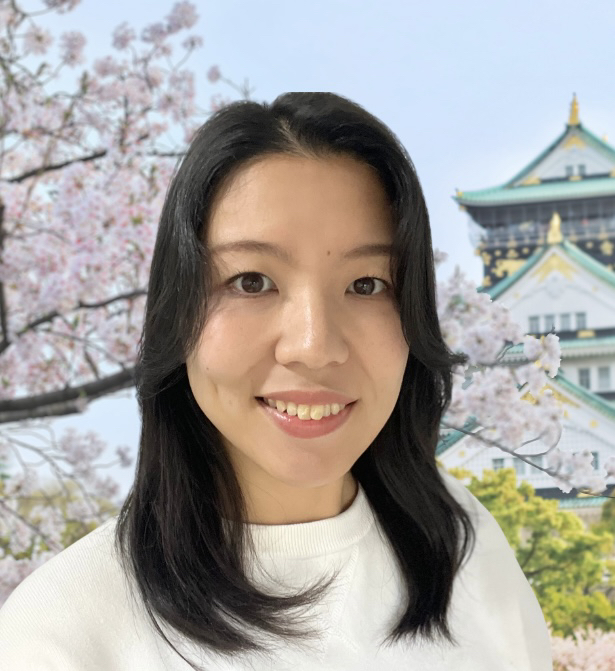
For many of you in Australia, Japan is at the very top of your travel bucket list. And it makes perfect sense. With direct flights from Sydney, Melbourne, Brisbane, and Cairns, and a minimal time difference (just 0 to 2 hours, depending on daylight saving), it is incredibly easy to make the trip without having to worry about terrible jet lag.

But because the seasons between Australia and Japan are completely flipped, figuring out the best time to book those flights can get a bit confusing. When is the best time to catch the cherry blossoms? When should you go if you want to ski on world-class powder? And when can you score the best flight deals?
Here is a quick summary to help you find your perfect travel window at a glance, followed by a practical guide to each season.
Quick Summary: Which Season Fits Your Goal? 🗺️
Your Goal | Best Season | Why? |
Best Weather & Sightseeing | Autumn (Oct - Nov) | Cool, dry days and stunning foliage without the massive spring crowds. |
Skiing & Snowboarding | Winter (Jan - Feb) | Japan's famous powder snow is at its absolute best. |
Budget-Conscious Travel | Late May, June, September | The "shoulder seasons" offer cheaper flights and cheaper accommodation. |
Cultural Events & Hiking | Summer (Jul - Aug) | Vibrant traditional festivals, fireworks, and the Mt. Fuji climbing season. |
1. Spring (March to May): The Cherry Blossom Dream 🌸
If you’ve always wanted to see Japan covered in beautiful pink cherry blossoms, spring (春・はる) is the time to go.
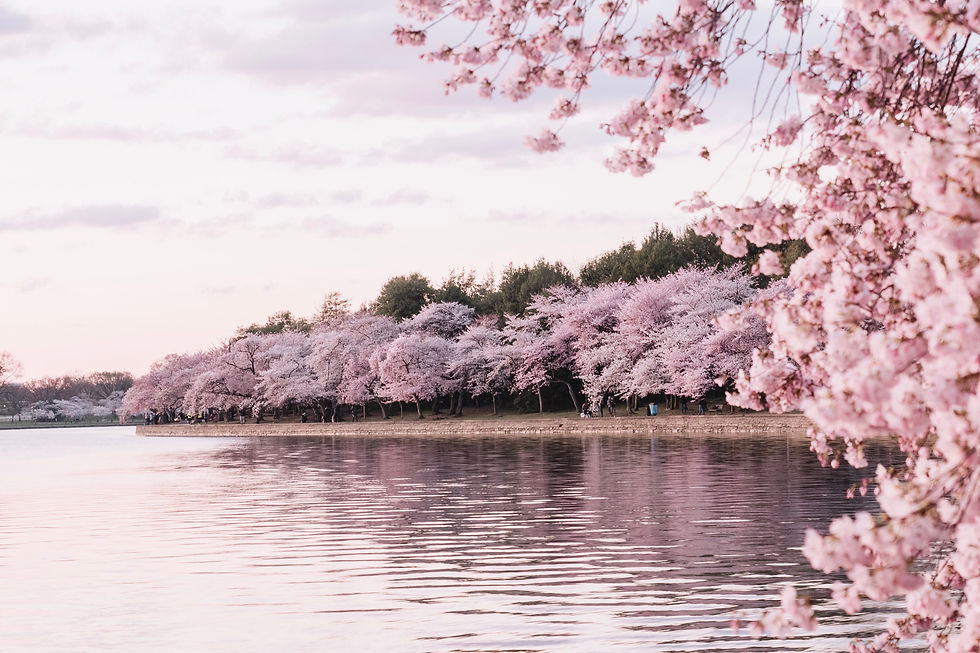
The Weather: Beautifully mild and pleasant, transitioning from crisp spring days in March to warm, sunny afternoons in May. Average daytime temperatures in Tokyo range from about 13℃ in March to a lovely 23℃ in May.
The Highlight: 花見 (Hanami) — the Japanese tradition of cherry blossom viewing. Sitting under the blooming sakura trees in a park with a bento box is a classic Japanese experience that I highly recommend.
Tips & Things to Keep in Mind: This is Japan's absolute peak travel season, meaning flights and hotels will be at their most expensive and popular spots like Kyoto will be very crowded. To save yourself some stress, try to avoid travelling during "Golden Week" (a cluster of Japanese national holidays in late April/early May) when domestic travel skyrockets and trains become incredibly packed.
2. Autumn (September to November): My Personal Favourite 🍁
If you ask seasoned travellers (and most Japanese locals, including myself!), they probably tell you that autumn (秋・あき) is the best time of year to visit.

The Weather: Crisp, clear days with perfect walking weather and beautiful blue skies. It is significantly less humid than the summer months, with Tokyo temperatures averaging around 27℃ in September and cooling down to a refreshing 16℃ by November.
The Highlight: 紅葉 (Kōyō / Momiji) — the stunning autumn foliage. The mountains and temple gardens turn brilliant shades of red, orange, and gold. It is just as beautiful as the cherry blossoms, but the season actually lasts much longer.
Tips & Things to Keep in Mind: October and November are highly popular months for foliage viewing, so you will still need to book your accommodation well in advance. However, the crowds are generally slightly less hectic and easier to navigate than the spring rush.
3. Winter (December to February): Snow & Hot Springs ❄️
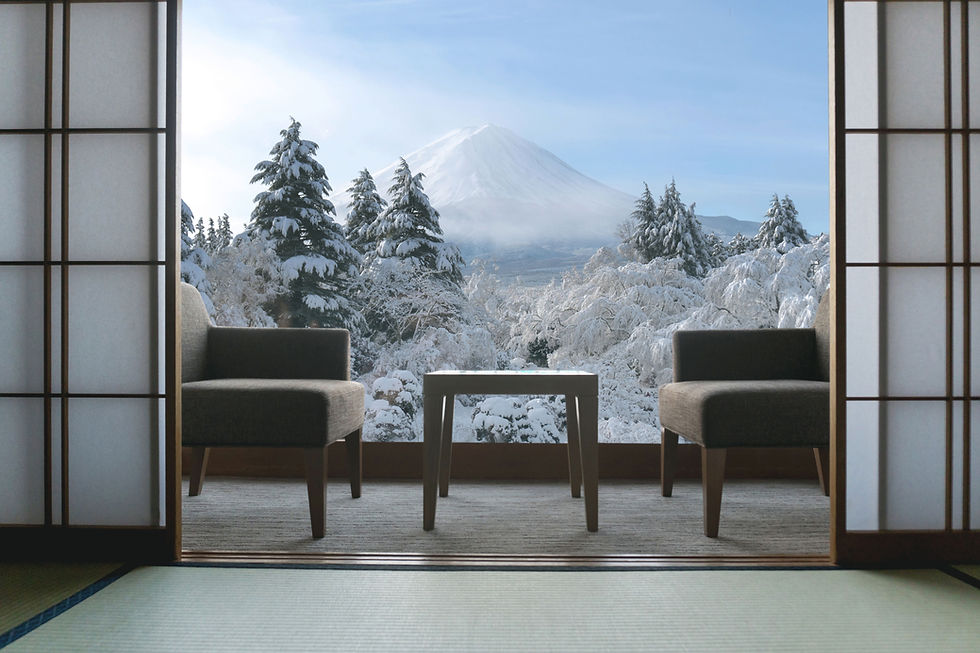
While you are experiencing the hot summer back home in Australia, Japan is transformed into a winter (冬・ふゆ) wonderland.

The Weather: Cold, dry, and crisp. Tokyo is usually sunny but cold, averaging around 10℃ during the day and dipping close to 2℃ at night. Northern regions like Hokkaido experience freezing temperatures and receive massive amounts of snow.
The Highlight: World-class skiing and snowboarding in Hokkaido (Niseko) or Nagano (Hakuba). There is also nothing quite like relaxing in a steaming outdoor hot spring (温泉・おんせん) while snow falls around you.
Tips & Things to Keep in Mind: Flights in January can be very expensive due to the Australian school holidays and the peak ski season. If you want to enjoy the snow without the premium price tag, try booking for early December or February. Also, remember to pack high-quality winter layers, but try to pack light to save luggage space!
4. Summer (June to August): Festivals & Vibrant Energy 🎆
Summer (夏・なつ) in Japan is hot, humid, and full of energy. June is typically the rainy season (梅雨・つゆ), while July and August bring the real heat.
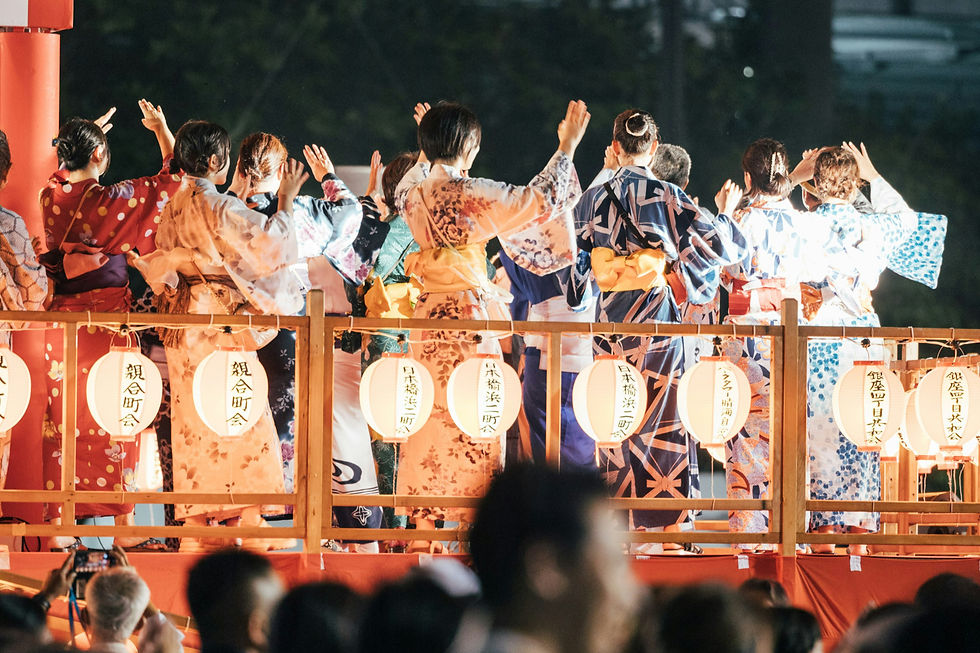
The Weather: Hot, humid, and rainy. Temperatures in major cities like Tokyo and Kyoto often sit between 30℃ and 35℃, and the high humidity can make it feel even hotter.
The Highlight: 祭り (Matsuri). Japanese summer festivals are legendary. You can wear a casual cotton kimono (浴衣・ゆかた), eat delicious street food from stalls, and watch massive fireworks displays (花火・はなび). It is also the only time of year you can climb Mt. Fuji.
Tips & Things to Keep in Mind: Walking around concrete cities in 35℃ humidity can be very exhausting, so you'll need to pace yourself and stay hydrated. If you want to escape the intense heat, I highly recommend heading north to Hokkaido, where the summer is beautifully mild, green, and perfect for hiking and road trips.
The Secret to an Even Better Japan Trip 🗺️🗣
No matter when you decide to go, there is one thing that will completely transform your travel experience: knowing a little bit of the language.
You do not need to be fully fluent. Just knowing how to politely ask for directions, order your favourite food at a local restaurant, or chat with a shopkeeper will make you feel like a welcomed guest rather than just another tourist.
If you are planning a trip to Japan, I would love to help you get ready! We can tailor our lessons to focus entirely on "Travel Japanese" so you can travel with confidence, ease, and make real connections with the locals.


Comments